Indian MSMEs continue to be the backbone of the economy, yet many still rely on manual, paper-based, or fragmented software systems that hamper efficiency and scalability. In 2026, practical ERP automation is no longer a luxury but a necessity to streamline operations, control costs, and stay competitive. This article explores how MSMEs can pragmatically bridge longstanding legacy workflows with modern ERP automation tailored to their needs.
Why MSMEs Must Move Beyond Legacy Systems
Legacy workflows often involve manual billing, disjointed inventory tracking, and standalone payroll or HR processes that create data silos. These inefficiencies increase errors, delay reporting, and raise operational costs. In a market where speed and accuracy matter, MSMEs face challenges like:
- Difficulty reconciling accounts and generating timely financial reports
- Inventory shrinkage due to poor tracking and stock management
- Delayed payroll processing impacting employee satisfaction
- Low visibility into sales and customer data, hampering decision-making
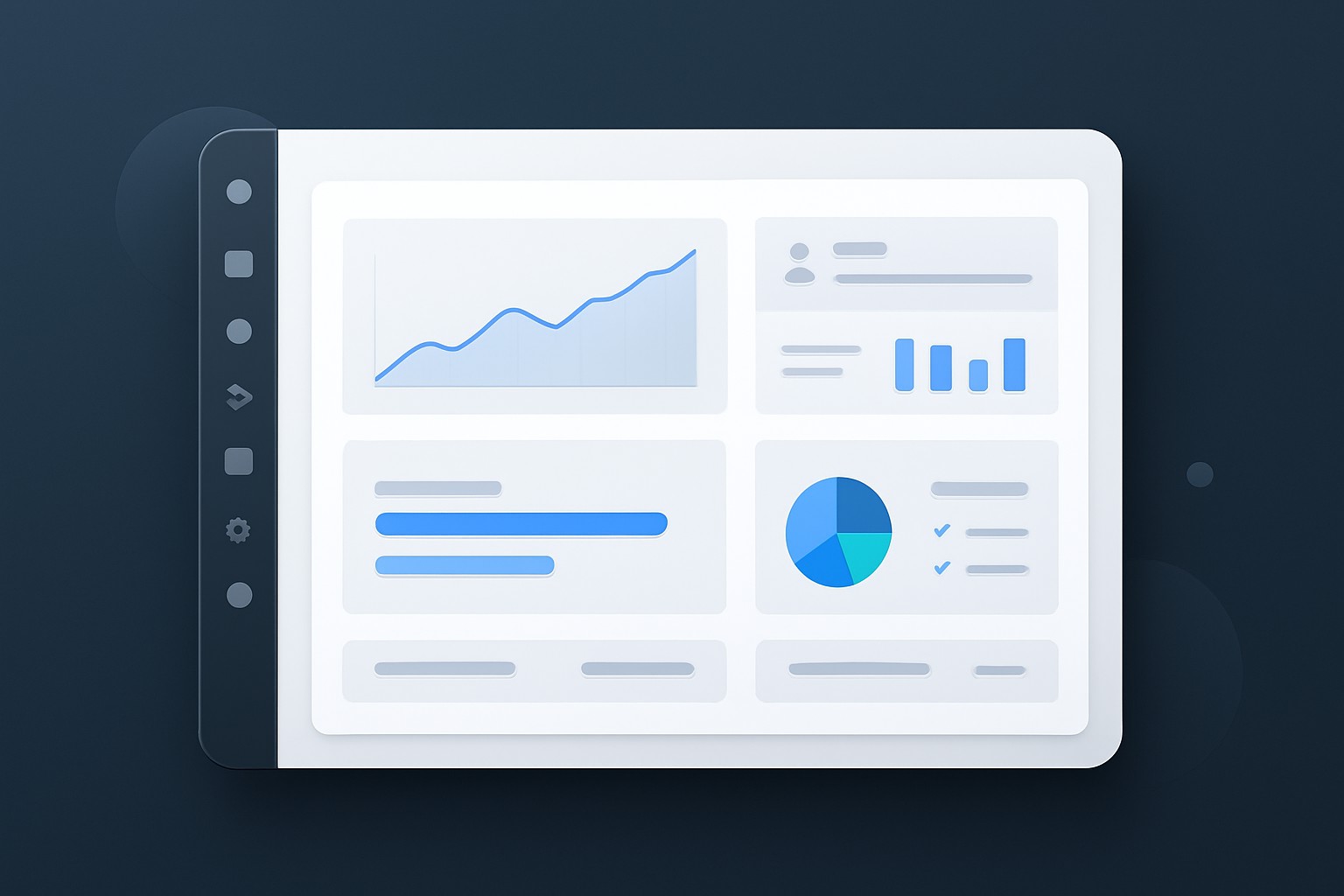
Modern ERP automation promises to unify these functions into a single, integrated system that can be customized to the MSME’s scale and sector.
Practical ERP Automation Components for Indian MSMEs
Successful ERP automation in MSMEs should focus on areas that directly impact operations and cash flow. Key modules include:
- Billing and Invoicing: Automate invoice generation linked with payment status tracking to reduce manual errors and speed up collections.
- Inventory and Stock Management: Real-time barcode-enabled tracking and reorder alerts to prevent stockouts or overstocking.
- HRMS and Payroll: Integrated attendance (including biometric or CCTV-based systems), leave management, and salary processing aligned with compliance needs.
- Service Booking and Dispatch: For service businesses, streamlined scheduling, technician tracking, and billing improve customer experience and operational efficiency.
Choosing a flexible technology stack such as PHP frameworks (Laravel, CodeIgniter) or .Net Core can help deliver scalable, maintainable ERP systems. Mobile app integration using Flutter or React Native enables field staff to update data in real-time, bridging office and on-ground operations.
Comparing Legacy Workflows and Modern ERP Automation
| Aspect | Legacy Manual Workflow | Modern ERP Automation |
|---|---|---|
| Billing | Paper invoices, manual entry, delayed tracking | Automated invoicing, digital payment integration, real-time status |
| Inventory | Manual counts, excel sheets, frequent errors | Barcode scanning, real-time stock levels, alerts |
| Payroll | Manual salary calculation, paper timesheets | Biometric/CCTV attendance, automated salary processing, compliance reporting |
| Service Booking | Phone/email bookings, manual scheduling | Online booking portals, mobile dispatch tracking, automated billing |
| Reporting | Periodic manual data compilation | Instant dashboards, customizable reports |
Implementation Tips for MSME Leaders
Transitioning to ERP automation need not be disruptive if approached thoughtfully:
- Start Small: Identify pain points like billing or inventory first and pilot ERP modules there.
- Choose Modular Solutions: Opt for solutions that allow adding features progressively.
- Engage Users: Train staff and involve them early to ease adoption.
- Prioritize Data Security: Ensure ERP software complies with Indian data protection norms.
- Plan for Mobile Access: Enable remote access for sales or field teams to update operations live.
FAQ — ERP Automation for Indian MSMEs
- Q: Is ERP automation affordable for small MSMEs?
A: Yes. Modular ERP solutions and customized development options allow MSMEs to start with essential functions and scale as needed, controlling costs. - Q: How to handle data migration from legacy systems?
A: Data migration requires careful planning; a phased approach with validations reduces risks. Expert software developers can assist with accurate data transfer. - Q: What tech stacks are suitable for ERP in MSMEs?
A: PHP frameworks like Laravel, .Net Core, and MERN stack are popular for their flexibility and community support, enabling robust ERP applications. - Q: Can ERP automation improve compliance?
A: Automating payroll and statutory reporting reduces manual errors and helps MSMEs maintain statutory compliance effortlessly.
Bridge your operational gaps with scalable custom software engineering or ready-to-deploy software products. Schedule a strategic technology consultation with our enterprise architecture team at Laysan Technologies today to build, modernize, and scale your business applications securely.